
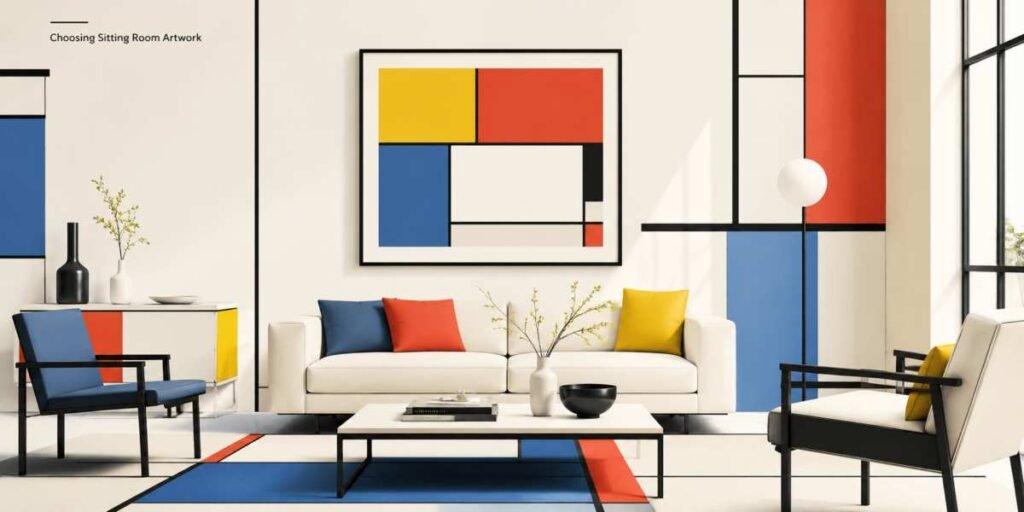
A sitting room is usually one of the most visible rooms in the home. It may be used for quiet evenings, family time, entertaining visitors, reading, watching television or simply relaxing at the end of the day. The artwork chosen for that space needs to sit comfortably within daily life, rather than just look good in isolation.
Start with the role of the room
Before choosing artwork, it helps to think about how the sitting room is actually used. A formal sitting room may suit a more composed piece, such as a framed landscape, architectural photograph or black and white print. A relaxed family living space may call for something softer, warmer or more personal.The same subject can feel very different depending on the room. A coastal photograph might add openness to a smaller space, while a woodland scene can bring a more grounded feel to a room with natural wood, textured fabrics or neutral paintwork. Abstract photographic details can work well in contemporary sitting rooms where the furniture is simple and the artwork provides subtle movement.
The best sitting room artwork does not need to dominate the space. It should give the eye somewhere to rest and help connect the main elements of the room.
Consider the main wall first
Most sitting rooms have one wall that naturally carries more visual weight. This is often the wall above the sofa, above a fireplace, opposite the doorway, or behind a pair of armchairs. If the room has a clear focal point, artwork can either support it or become the focal point itself.Above a sofa, one larger piece often works better than several small pieces dotted across the wall. As a guide, the artwork should usually be wide enough to feel connected to the furniture below it, without stretching too far beyond the sofa. If the print is too small, it can look lost. If it is too large, it may overwhelm the seating area.
For rooms with a fireplace, artwork should be chosen with the mantel, chimney breast and surrounding decor in mind. A portrait-format print can suit a narrow chimney breast, while a landscape-format piece may work better above a long low sofa or sideboard.
Choose a subject that suits the atmosphere
Artwork is one of the easiest ways to adjust the atmosphere of a sitting room without changing the furniture. For a calm room, natural subjects tend to work well: misty landscapes, gentle seascapes, botanical photography or soft black and white prints. These bring visual interest without shouting for attention.For a more confident room, stronger contrast can be effective. Large modern photographic art, dramatic skies, bold coastal scenes or graphic monochrome images can add structure to a plain wall. In a room with simple furniture, this kind of artwork can prevent the space from feeling unfinished.
Colour also matters. The artwork does not have to match the cushions or rug exactly, but it should relate to the room in some way. That might be through a shared tone, a contrast that feels deliberate, or a frame finish that connects with other materials in the space.
For example, a room with warm oak, cream upholstery and brass lighting may suit earthy landscapes, soft florals or warm-toned coastal prints. A cooler scheme with grey, white and black may work well with monochrome photography, architectural details or blue-toned seascapes.
Think about print format as well as image
Sitting room artwork is not only about the picture itself. The print format changes how the piece sits in the room.Framed prints feel more structured and traditional, especially when used with an inner mount. They work well in sitting rooms with classic furniture, bookshelves, side tables and layered soft furnishings. A framed photographic print can also bring a more finished look to a modern room if the frame is kept simple.
Canvas prints have a softer, more relaxed feel. They can work well in family sitting rooms, open-plan spaces and rooms where glass reflections may be an issue. Because there is no glazing, canvas has a more tactile quality and can feel less formal.
Acrylic prints suit contemporary interiors where a clean, sharp finish is preferred. The glossy surface and floating appearance can give photographic artwork more depth, particularly with colour-rich images, water scenes, modern landscapes and dramatic skies. It’s an ideal format to show off high quality photographic work.
If you are comparing styles and finishes, at Fotoviva we have a dedicated collection of living room wall art arranged to help with choosing photographic artwork for this kind of space.
Use scale carefully
Scale is one of the most common reasons artwork looks wrong in a sitting room. We find many people choose pieces that are too small because they are easier to buy and hang. The problem is that small artwork on a large wall can make the room feel less designed.A single large print can often make the space feel calmer than several smaller items. It gives the wall a clear purpose and avoids visual clutter. Smaller pieces can still work, but they usually need to be grouped carefully as a gallery wall or arranged above furniture where the scale makes sense.
In larger sitting rooms, oversized artwork can help bring the room together. In smaller rooms, medium-sized artwork with a clear subject may be enough. The aim is proportion, not simply size.
Leave enough space around the artwork
Good sitting room artwork needs breathing room. If a picture is squeezed too close to shelves, lamps, curtains or the ceiling, it can feel awkward. Leaving space around the print allows it to be seen properly and helps the wall feel more balanced.Height is important too. Artwork is often hung too high. In most sitting rooms, the centre of the picture should sit close to natural eye level, although this may need adjusting above sofas, fireplaces or low furniture. The artwork should feel connected to the room, not floating separately above it.
Lighting can also make a difference. Natural daylight will change how the colours and tones appear during the day, while lamps and wall lights create a different effect in the evening. Avoid placing valuable prints in strong direct sunlight, as this can affect longevity over time.
Match the artwork to the rest of the home
A sitting room does not exist on its own. If it opens onto a hallway, dining area or kitchen, the artwork should make sense with the wider home. This does not mean every room has to use the same style, but there should be some visual connection.That connection might come from the frame colour, the subject matter, the photographic style or the overall palette. For example, a home with natural materials and muted colours may suit landscape photography throughout, while a more modern home might use sharper coastal images, abstract details or black and white prints.
When artwork is chosen with the wider home in mind, it tends to feel more settled and less like a separate decorative purchase.
Honestly, it’s worth doing it right
The right sitting room artwork should make the room feel more complete without taking it over. It should suit the scale of the wall, the furniture beneath it, the light in the room and the way the space is used every day.Rather than choosing a picture only because it matches a colour scheme, look for artwork that has enough presence to hold the wall and enough restraint to live with comfortably. A well-chosen print can bring structure, atmosphere and a sense of intention to one of the most used rooms in the home.
Article kindly provided by fotoviva.co.uk – living room wall art